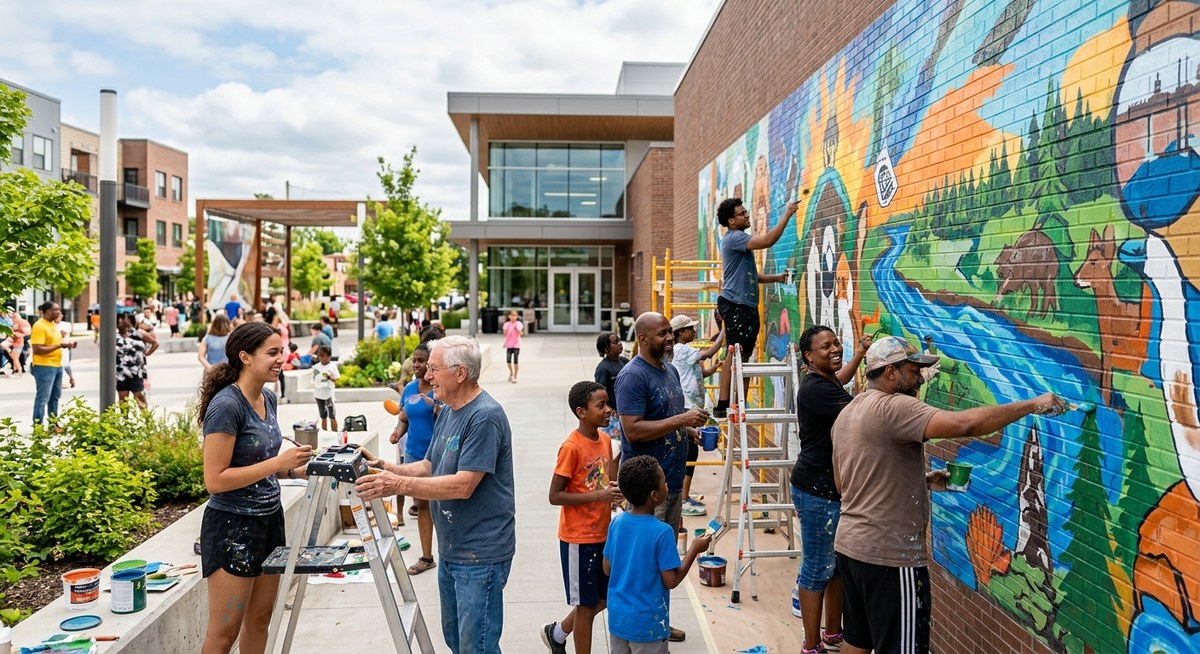
The arts have a way of turning ordinary streets into shared spaces where neighbors meet, ideas collide, and a sense of belonging grows. In the Sault Area, community art projects are not just pretty pictures on walls or a one off event. They are engines for downtown vitality, opportunities for local artists, and pathways for residents of all ages to see themselves reflected in the places they call home. From art walks that bring vitality to small downtowns to library pop ups that spark curiosity, the story of community art here is one of collaboration, resilience, and everyday creativity. If you are part of a school, library, Indigenous organization, gallery, business, or a curious neighbor, there is a place for you in this vibrant ecosystem. And there is no better time to lean in than today.
Why community art matters in the Sault Area
Community art is more than decoration. It is a series of deliberate actions that strengthen relationships, expand access to culture, and reimagine public space as a shared canvas. In the Sault Area, you can see this in action through the work of local artists and partners who transform sidewalks into stories, storefronts into galleries, and libraries into studios.
- It fuels downtown revitalization: Creative programs attract foot traffic, invite spontaneous conversations, and encourage people to linger long enough to support local shops and cafes.
- It centers equity and access: Community art projects are often designed to reach audiences who do not regularly engage with formal galleries, making art approachable and meaningful for everyone.
- It supports artists and makers: Local artists gain exposure, income opportunities, and ongoing networks that help sustain their practice.
- It elevates Indigenous art and perspectives: Funding and collaborative initiatives empower Indigenous artists to tell their stories in ways that honor tradition while inviting new audiences.
- It builds skills and learning opportunities for youth: Student exhibitions, school partnerships, and gallery nights provide hands on experiences in curating, design, and critical thinking.
In addition to these benefits, community art acts as a cultural barometer. It shows what a community values, who is at the table, and how shared spaces can reflect a diverse range of experiences. The Sault Area Arts Council champions these efforts by spotlighting art walks, creative wallpapers, Indigenous art funding, gallery nights, library art pop ups, and student exhibitions. Our aim is to foster an arts ecosystem where collaboration is the default and experimentation is encouraged.
How community art changes the shape of a town
The ripple effect on economy and entrepreneurship
Community art projects ripple outward in measurable ways. They draw visitors to downtowns, extend hours for small businesses, and create opportunities for artists to partner with retailers, venues, and service providers. These collaborations often yield long term gains such as:
- Increased foot traffic and repeat visits to downtown storefronts.
- New audiences for local products, crafts, and food experiences.
- Opportunities for pop ups that test market demand without heavy upfront costs.
- Skills development for artists and volunteers, from project management to marketing.
Strengthening shared spaces and civic pride
Public art can transform banal spaces into conversation starters. A mural on a wall, a sculpture in a park, or a mural wallpaper installation in a community hub communicates values and sparks pride. When people recognize their stories in a piece of art, it invites them to protect, maintain, and advocate for that space.
Creating intergenerational bridges
When schools, libraries, and cultural organizations collaborate on exhibitions and performances, learning becomes a social activity. Students gain confidence and professional exposure, while older residents mentor younger artists. These exchanges build a sense of community across generations and encourage ongoing participation in the arts.
Amplifying marginalized voices
A thoughtful approach to funding and curation ensures that Indigenous artists, immigrant communities, people with disabilities, and other historically under represented groups see themselves reflected in public art. This is less about token moments and more about sustained programs that listen, learn, and share leadership.
Case studies from the Sault Area you can replicate
The Sault Area Arts Council has supported a variety of initiatives that demonstrate the power of community art. Here are a few stories and practical takeaways you can apply in your own neighborhood or organization.
Art walks that bring downtowns to life
- What happens: A guided route that features pop up performances, interactive installations, and storefront showcases after hours.
- Why it works: It concentrates energy in a defined zone, providing a reason to explore and a chance to meet neighbors and shop owners.
- How to replicate: Start with a small cluster of participating venues, a printed route map, and a one night event that extends to a weekend festival in future iterations.
Gallery nights and student exhibitions
- What happens: Local galleries host student shows and opportunities for community artists to display work in accessible spaces.
- Why it works: It lowers barriers for young creators to experience curation and feedback while inviting families to engage in culture.
- How to replicate: Partner with local schools and libraries to curate rotating shows, and offer free or donation based entry to attract broader audiences.
Indigenous art funding and collaborative projects
- What happens: Grants and collaboration channels support Indigenous artists to share stories through murals, textiles, painting, sculpture, and digital media.
- Why it works: It honors indigenous perspectives and fosters cross cultural exchange that enriches the entire community.
- How to replicate: Establish a funding stream or paired grants with tribal organizations and create mentorship roles for emerging Indigenous artists.
Creative wallpapers and public art installations
- What happens: Public facing art on building walls transforms streetscapes with color and narrative.
- Why it works: It reclaims spaces and invites residents to see their surroundings with fresh eyes.
- How to replicate: Work with property owners to select wall spaces, secure permissions, and contract artists who can deliver durable, weather resistant pieces.
Library pop ups and community pop up studios
- What happens: Micro galleries and mini studios appear in libraries or community centers during school breaks or festival seasons.
- Why it works: Libraries become vibrant playgrounds for imagination and lifelong learning.
- How to replicate: Use flexible spaces and time bound exhibitions with rotating artists to maintain novelty and relevance.
A simple five step framework for community art projects
A practical framework helps organizers move from idea to impact. Here is a simple five step process you can adapt for your community.
Stage 1 identify the need
- Start with listening sessions in diverse community groups to understand interests, access barriers, and opportunities.
- Map existing assets such as schools, libraries, galleries, community centers, and open spaces.
Stage 2 crowdsource ideas
- Create a public idea board online and in community hubs.
- Invite youth, elders, and Indigenous voices to contribute themes, imagery, and formats.
Stage 3 create together
- Pair artists with community volunteers to design installations.
- Host collaborative workshops that teach design, storytelling, and production skills.
Stage 4 celebrate together
- Organize a launch event with performances, talks, and a guided tour.
- Include accessible components such as captions, audio guides, and multilingual materials.
Stage 5 spread the word
- Share outcomes via newsletters, social media, and local press.
- Create a lasting archive of the project through photos, videos, and documentation.
Partnerships that make community art possible
No single organization can do this alone. The strength of community art lies in partnerships that align missions, share resources, and extend reach. Consider the following collaboration models:
- Local schools and universities: Student exhibitions, internships, and project based learning.
- Libraries and cultural centers: Pop ups, reading rooms turned into mini galleries, and artist talks.
- Indigenous organizations: Co created projects that surface indigenous narratives and knowledge.
- Local businesses and property owners: Space for murals, storefront galleries, and sponsorships.
- City agencies and town councils: Funding, permissions, and public programming alignment.
- Nonprofits and philanthropic funders: Grants that allow risk taking and experimentation.
Funding and resources that empower community art
Sustained funding is essential to keeping projects from year to year. Consider a mix of sources to build a stable pipeline of support.
- Public and municipal grants: Local arts councils, municipal cultural funds, and regional arts programs.
- National and regional arts grants: Programs that emphasize place making, youth engagement, and Indigenous art.
- In kind support: Volunteer committees, donated materials, and space in public or partner venues.
- Corporate sponsorships: Local businesses interested in downtown vitality and brand alignment.
- Community fundraisers and crowdfunding: Engaging residents to invest in their own neighborhoods.
- Library and school collaborations: Shared costs for pop ups, exhibitions, and programming.
When designing a funding strategy, balance ambitious aims with realistic budgets. Start with small pilot projects to demonstrate proof of concept, and scale as you prove impact and build partnerships.
Measuring impact and learning from experience
Impact can be hard to quantify but is essential for securing ongoing support and refining practice. Consider both quantitative and qualitative indicators.
- Attendance and engagement: Track event turnouts, repeat attendees, and participant demographics.
- Economic indicators: Local business revenue during events, foot traffic, and vendor sales.
- Community sentiment: Surveys, feedback forms, and social listening to gauge pride, belonging, and perception of downtown spaces.
- Artist development: Number of commissions, exhibitions, cataloged works, and career milestones achieved by local artists.
- Accessibility and inclusion: Representation of diverse groups and accessibility features provided during events.
- Inter organizational collaboration: Number of partner organizations and cross sector initiatives established.
Document lessons learned after each project. Celebrate what went well and honestly assess what did not. Sharing these insights publicly helps build trust and invites broader participation.
Getting involved with the Sault Area arts scene
If you live in or near the Sault Area, there are many ways to engage with community art projects and support the local arts ecosystem.
- Attend art walks and gallery nights to meet artists, learn about new works, and support local venues.
- Volunteer your time with planning committees, event logistics, or community outreach.
- Propose a project idea that aligns with local needs and invites collaboration with libraries, schools, and Indigenous organizations.
- Follow the Sault Area Arts Council on social media and subscribe to the newsletter for updates, calls for artists, and funding opportunities.
- Share your stories and photos from events to help grow a living archive of community art in the region.
Why now is the moment for bold community art
In a changing world, community art projects offer a steady, inclusive path to stronger neighborhoods. They remind us that art is not just an object in a museum, but a living practice that happens when neighbors come together around shared stories. They help us re imagine what downtowns look like, who they belong to, and how future generations will experience them.
The Sault Area Arts Council is dedicated to supporting artists and enabling partnerships that turn ideas into public art that everyone can enjoy. By focusing on art walks, creative wallpapers, Indigenous art funding, gallery nights, library pop ups, and student exhibitions, we are weaving a resilient cultural fabric that strengthens our towns and invites new perspectives.
If you are ready to contribute, here are a few practical first steps:
– Reach out to a local school or library about a joint student exhibition or pop up studio.
– Talk to a property owner or business about a small wall space for a mural or wallpaper style installation.
– Explore a micro grant or sponsorship from a community foundation to pilot a downtown art event.
– Invite Indigenous artists to lead a mentorship or collaborative project to surface stories that matter.
Together, we can make the Sault Area a living gallery, a welcoming classroom, and a space where creativity helps us grow closer and dream bigger. The next step is yours.
This is a living, evolving story. The more voices that join in, the richer the tapestry becomes. Whether you are an artist, teacher, business owner, librarian, elder, student, or neighbor, your contribution matters. Let us celebrate, learn, and create together in the Sault Area. The walls are waiting. The streets are listening. And the next chapter of community art is ready to be written with you.