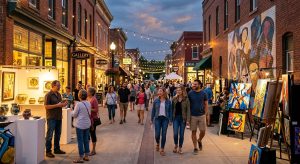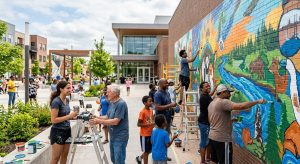
If you are an emerging artist in the Sault Area, you already know that turning a spark of creativity into a thriving practice takes more than talent. It takes time, opportunities, and a network that believes in your work. The Sault Area Arts Council is designed to help you connect with funding streams that can turn your small projects into lasting impact. This guide pulls together national, regional, and local funding opportunities, plus practical tips for applying. Whether you are pursuing a community mural, a pop up gallery, a Indigenous art project, or a student exhibition, there is a path that can help your art reach a wider audience.
Why funding matters for emerging local artists
Funding is not just money in a bank account. It is recognition, resource, and the freedom to experiment. For artists who are starting out, grants and residencies can:
- Enable time to create without the stress of covering all expenses at once
- Provide professional development through mentorship or access to studios
- Support public projects that engage the community and boost downtown revitalization
- Open doors to future residencies, exhibitions, and collaborations
- Help preserve Indigenous arts and cultural practices through targeted funding
In the Sault Area, funding opportunities often come with community partnerships. The Sault Area Arts Council partners with libraries, galleries, schools, and local business districts to turn grants into public art walks, gallery nights, and student exhibitions. This creates a ripple effect: artists gain, audiences discover, and downtown areas enjoy renewed life. The key is to align your project with the values of the funder while clearly showing impact for your community.
The local advantage you can leverage
- Access to community spaces for pop ups and shows
- Partnerships with libraries and schools for youth and community engagement
- Support for Indigenous art and cultural projects
- Mentorship and guidance from seasoned artists in the region
- A clear path from concept to presentation with timeline planning
Understanding the funding landscape
Funding for artists exists at several levels. A strong plan often includes elements from national, regional, and local sources. Here is a practical map of where to look and what to expect.
National sources you may consider
- Grants for Arts Projects (GAP) from the National Endowment for the Arts
- Type: project based funding for organizations
- Focus: a wide range of disciplines and sizes
- Deadlines: typical cycles include late winter and mid-year submissions
- How this helps: supports public art projects, exhibitions, and programming that involve communities
- Open calls and opportunities boards
- Examples include NYFA Opportunities Board and other national listings
- Focus: open calls, residencies, fellowships, and programmatic opportunities
- How this helps: keeps you aware of nationwide opportunities and timing
- Other national and international opportunities
- Artist residencies, competitions, and cross border collaborations
- How this helps: expands your network and raises your visibility beyond the local scene
Regional and local opportunities that matter for the Sault Area
- Local arts councils, community foundations, and municipal culture grants
- Library partnerships for pop up, readings, and exhibitions
- Gallery nights and art walks that celebrate local artists and provide program funding
- Indigenous art funding and collaboration opportunities, often with culturally aligned priorities
Indigenous art funding and collaborations
- Targeted funds that support Indigenous artists and communities
- Emphasis on cultural preservation, language, traditional practices, and contemporary expression
- Partnerships with Indigenous organizations or tribal councils can enhance grant eligibility and impact
- How this helps: preserves and promotes Indigenous arts while enabling community engagement
Local opportunities through the Sault Area Arts Council
The Sault Area Arts Council is a hub for artists in the region. It offers guidance, connections, and sometimes direct funding or in-kind support for projects aligned with community goals. Here is how to leverage SAAC for funding success.
- Look for SAAC funded or co funded programs such as:
- Indigenous art initiatives and collaboratives
- Art walks and downtown revitalization projects
- Library art pop ups and school exhibitions
- Gallery nights that highlight emerging local artists
- Use SAAC resources to fine tune your grant writing
- Clarify audience, impact, and sustainability
- Build a realistic budget and timeline
- Gather letters of support from community partners
- Build a project narrative that resonates with funders
- Start with a clear goal and measurable outcomes
- Include a community engagement plan
- Demonstrate access and inclusion in programming
How SAAC can help you prepare
- Mentorship from experienced local artists
- Guidance on aligning your project with regional priorities
- Access to rehearsal spaces, pop up venues, or exhibition sites
- Connections to libraries, schools, and downtown venues for public programming
How to evaluate opportunities before you apply
Not every grant is the right fit. A thoughtful evaluation saves time and increases your chances.
- Eligibility
- Confirm organization type, residency status, project focus, and geographic requirements
- Ensure you or your organization can legally apply
- Alignment
- Does the project match the funder’s mission and priorities
- Is the proposed impact meaningful for the community
- Budget and scope
- Does the grant cover what you need plus a reasonable contingency
- Is the timeline realistic for your project stage
- Deadlines and cycles
- Note submission dates, reporting requirements, and any pre application steps
- Support materials
- Do you have a strong portfolio, CV, bios, and a compelling narrative
- Are letters of support feasible to obtain within the timeframe
- Deliverables and reporting
- What will you deliver, when, and how will you measure success
- Can you realistically meet reporting requirements after funding
A practical, curated guide to funding opportunities
Below is a practical starter list that blends national and local opportunities. Use this as a backbone for your funding calendar and then tailor it to your specific project.
1) National grants worth knowing
- Grants for Arts Projects (GAP)
- What they fund: diverse arts projects with community impact
- Who can apply: organizations that manage projects
- How to prepare: a clear project plan, budget, timeline, and evaluation plan
- Timelines: check the official site for current deadlines
- Open calls and residencies on artist opportunity boards
- What they fund: residencies, fellowships, and specific call projects
- How to apply: follow each listing, tailor materials, and meet submission requirements
2) Regional and local opportunities to explore
- SAAC and local partner grants
- What they fund: community art projects, Indigenous art initiatives, and collaborative works
- How to apply: work through SAAC guidelines and collaborate with partners
- Why it matters: local support tends to align with downtown development and public programming
- Library and school partnerships
- What they fund: art pop ups, student exhibitions, and youth programming
- How to apply: coordinate with library programs and school arts coordinators
- Why it matters: builds audience and mentorship pipelines
3) Indigenous art funding and collaborations
- Focus: cultural heritage, language preservation, and contemporary Indigenous arts
- How to apply: partner with Indigenous groups, provide culturally informed plans, and follow community protocols
- Why it matters: supports communities and strengthens authentic storytelling
4) Open calls and residencies you should watch
- Residencies in urban and rural settings
- Benefits: dedicated time, studio space, and an opportunity to network with peers
- How to apply: have a clear project plan and a strong portfolio
- Open calls for exhibitions
- Benefits: a public platform to showcase work
- How to apply: present a cohesive body of work, pricing, and installation plan
5) Practical tips for improving your applications
- Start early and map all deadlines on a single calendar
- Create a modular project plan so the funder can see multiple scales
- Include a robust evaluation plan with measurable outcomes
- Gather preliminary support from community partners
- Prepare a clear, compelling artist statement tailored to the funder
Documents and materials you will typically need
While each funder has its own requirements, most applications share core elements. Assemble these early so you can apply quickly when a deadline opens.
- Project description
- Clear goals, audience, impact, and city or community context
- Artist statement and bios
- Short professional bio and a concise statement about your practice
- Portfolio or sample work
- Up to date images or video that illustrate the proposed project
- Budget and budget narrative
- Detailed line items, in kind contributions, and justifications
- Timeline
- Milestones, dates for community engagement, installation, and completion
- Letters of support or partnership agreements
- From libraries, schools, venues, or collaborators
- Organizational documents (if applying as an organization)
- 501c3 letter, bylaws, or equivalent status
- Compliance and reporting plan
- How you will track outputs and share results
Budgeting for an arts project
A strong budget shows funders you have a realistic plan and a path to success. Here are practical considerations:
- Personnel costs
- Artist fees, mentors, teaching artists, facilitators
- Materials and supplies
- Art supplies, installation materials, technology
- Space and venue
- Studio rental, gallery fees, pop up locations
- Transportation and logistics
- Travel costs for teams, shipping artwork
- Documentation and publicity
- Photography, videography, marketing materials
- Contingency
- A small reserve for unexpected costs
Tips for budgeting:
– Build in a contingency of 10 to 15 percent
– List every line item with a clear justification
– Include in kind contributions as a separate line item when appropriate
– If you are unsure about costs, ask peers or mentors for a reality check
How to submit a compelling application
- Follow the guidelines precisely
- Use a clean, professional format for all documents
- Include high quality visuals and captions
- Write in plain language and avoid jargon
- Personalize the narrative to the funder’s priorities
- Provide a realistic and detailed timeline
- Rehearse your project description aloud to ensure clarity
Stories and learning from local artists
Hearing how others navigated the funding process can be incredibly helpful. Here are fictional but representative examples inspired by real community experiences in the Sault Area.
Case study 1: A mural project supported by a regional grant
- Artist: Maya L.
- Project: A public mural in a central neighborhood
- What happened: Maya prepared a strong visual proposal, secured a partner venue, and demonstrated community engagement with a neighborhood meeting plan. She used the funding to cover materials, a small stipend for a mentor painter, and a public launch event.
- Outcome: Public engagement increased traffic to local shops, and the mural became a focal point for future events.
Case study 2: An Indigenous art project at a library pop up
- Artist: Niko A.
- Project: A series of interactive textile works drawing on traditional motifs
- What happened: Niko partnered with a local Indigenous elders council and the library system to offer hands on workshops during library hours.
- Outcome: The project broadened access to Indigenous arts for youth and adults, and the library hosted a mini exhibition on completion.
Case study 3: An emerging artist residency facilitated through SAAC partners
- Artist: Sera K.
- Project: An experimental theatre piece with a community workshop
- What happened: Sera applied to an open call for residencies, showcasing a project plan that included community participants and a plan for presenting the final work back to the neighborhood.
- Outcome: The residency supported development time and a public performance, helping Sera connect with new collaborators.
These stories illustrate how funding can unlock time, space, and audience for emerging artists in the Sault Area. Your path may look different, but the core elements remain: a clear project, community relevance, and solid planning.
Getting practical about next steps
If you are ready to move from idea to funded project, here is a practical action plan.
1) Define your project
– What is the artwork, event, or program you want to create?
– Who will be involved and who will benefit?
– How will you measure success and share results?
2) Build your local network
– Reach out to SAAC, libraries, schools, galleries, and community organizations
– Ask for letters of support and potential partners
3) Create a draft budget and timeline
– List all costs and sources of in kind support
– Map milestones to funder deadlines
4) Gather your portfolio and supporting materials
– Prepare a concise artist statement, bios, and high quality visuals
– Gather past project documentation if available
5) Research opportunities and tailor your application
– Start with national grants for bigger impact
– Add regional and local funding that aligns with your project goals
– Look for Indigenous art funding if applicable and plan respectfully
6) Prepare the application with care
– Double check guidelines, page limits, and required attachments
– Have a mentor or peer review your materials before submission
7) Submit on time and plan for reporting
– Mark deadlines on a calendar with reminders
– After funding, keep track of outputs and prepare final reports
8) Celebrate and share the results with your community
– Host a public or virtual sharing event
– Acknowledge partners and funders in all communications
Resources you can rely on
- Grant writing tips
- Focus on clarity, outcomes, and community impact
- Use evidence or data where possible to support claims
- Budget templates
- Simple, easy to adapt templates for different project sizes
- Compliance and reporting
- Understand what funders require in terms of narrative reports, financial reporting, and media usage rights
- Useful terms glossary
- Familiarize yourself with common grant terms like deliverables, outcomes, milestones, and in kind support
Why the Sault Area Arts Council is a catalyst for funding success
SAAC acts as a bridge between artists and the resources that can sustain their work. By curating opportunities, hosting partnerships with libraries and downtown venues, and spotlighting Indigenous art initiatives, SAAC helps ensure that local artists can access funding without getting overwhelmed by the process. The focus on community impact, public engagement, and downtown revitalization aligns well with funding priorities that value arts as a driver of social and economic vitality.
Final thoughts: turning opportunity into action
Funding opportunities exist for emerging local artists in the Sault Area, but they require proactive planning and purposeful storytelling. Start small with a pilot project that demonstrates community involvement, then scale as you secure support and visibility. Use the Sault Area Arts Council as your local compass to navigate national grants, regional programs, and Indigenous art funding that resonate with your practice.
If you are looking for a starting point, visit the Resources section of saultareaartscouncil.org to access grant writing guides, budget templates, and sample project narratives that align with funding opportunities. Reach out to SAAC staff or fellow artists to discuss your ideas and to identify potential partners who can strengthen your application.
Remember, every successful project begins with a strong idea, a solid plan, and a community that believes in your work. The Sault Area Arts Council is here to help you turn that belief into measurable, funded, and celebrated art. Your journey as an emerging local artist can contribute to a vibrant arts scene that shines beyond the Sault Area and invites audiences to discover the vitality of the local arts community.