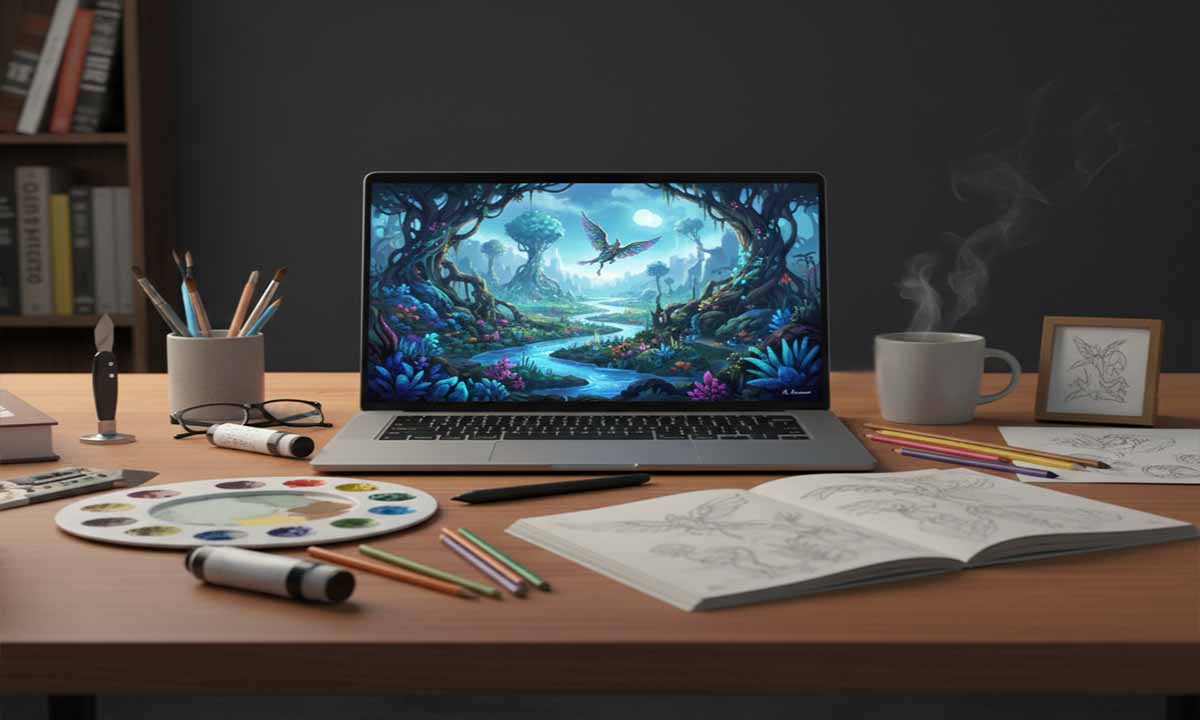
The screen you look at dozens of times a day rarely feels like an artistic choice. Yet for many people, especially artists, creators, and visual thinkers, a wallpaper becomes part of daily expression. It sits behind work, messages, and moments of pause. Over time, it starts to say something personal.
A wallpaper is not just a background. It reflects mood, taste, and the way someone wants to feel while working or resting. Some choose calm tones to stay focused. Others choose bold visuals to spark ideas. In quiet ways, screens turn into everyday galleries that travel everywhere.
Early on, many people browse collections of aesthetic wallpapers to find visuals that feel familiar or emotionally right. That moment of choice already reveals more than it seems. It shows what feels comforting, motivating, or inspiring at this stage of life.
Quick overview
This article looks at how wallpaper choices reflect creative identity and emotional habits. It explores minimalism, symbolism, and visual intensity, while showing how everyday screens act as personal galleries shaped by taste and intent.
Wallpapers as Everyday Visual Decisions
Most people do not think twice about the images that sit behind their apps and folders. Still, the brain registers them constantly. Color, contrast, and pattern influence attention and mood throughout the day. A busy background can energize one person and overwhelm another.
These decisions mirror how artists approach their work. Choices about layout, color, and format often come from instinct shaped by experience. Even technical preferences reveal values. Someone who values clarity and adaptability may pay close attention to image format choices, treating them as part of a broader visual philosophy rather than a technical detail.
Over time, wallpaper habits settle into routine. A person who keeps the same image for years may value stability. Someone who changes it weekly may enjoy motion and novelty. Neither is better. Each tells a story about how creativity fits into daily life.
Minimalism, Mood, and Creative Control
Some creatives prefer restraint. Clean lines, open space, and muted tones offer room to think. Minimalist visuals reduce noise and help ideas surface without distraction. This approach often pairs with structured workflows and careful planning.
Many people who lean this way gravitate toward minimalist wallpaper styles. These backgrounds rarely demand attention. Instead, they support focus and calm. For writers, designers, or students, this can feel like a mental breathing room.
Minimalism also signals control. It shows comfort with leaving things out. In art and in life, choosing less often takes confidence. A quiet wallpaper can reflect that same comfort with clarity and intention.
Personal Symbols and Visual Language
Other wallpapers speak through symbols. A mountain range might stand for resilience. A soft gradient might recall a place or time. These images act as memory anchors that carry personal meaning.
Artists often work this way in physical pieces too. They layer materials, textures, and references to create depth. Similar thinking appears in mixed media approaches, where meaning builds through combination rather than simplicity. A digital background can function the same way, holding layers of personal history and feeling.
For some, the wallpaper becomes a private language. It is not meant to impress others. It exists to remind, steady, or inspire the person who sees it most.
Digital Spaces as Personal Galleries
Phones and desktops travel everywhere. They sit in meetings, classrooms, studios, and kitchens. Over time, these screens begin to feel like extensions of personal space.
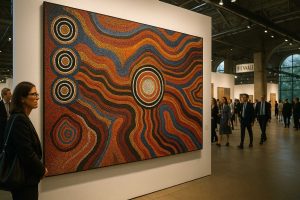
Across many towns, artists already use everyday settings as places for display. Murals, pop up shows, and temporary installations turn streets and storefronts into shared viewing spaces, showing how public spaces as galleries can bring art closer to daily life without formal walls.
Digital spaces follow the same idea. A wallpaper becomes a small exhibition curated for one viewer. It sits quietly behind emails and tools, yet it shapes the atmosphere of each interaction.
Detail, Immersion, and Visual Intensity
Not everyone wants calm. Some creators thrive on richness and detail. High contrast images, dramatic landscapes, or intricate illustrations can pull the mind into a deeper visual state.
These preferences often pair with curiosity and a strong visual appetite. A detailed image invites exploration, even during short glances. Many people who enjoy this style seek out high resolution wallpapers that reward attention with texture and depth.
This choice does not signal chaos. It often reflects a love of immersion. Just as some artists fill canvases with dense detail, some screens invite the eye to wander and return refreshed.
What Research Says About Visual Preference
Psychology and neuroscience support the idea that visual surroundings matter. Studies show that color, brightness, and complexity influence mood, stress, and cognitive performance. The images people see repeatedly can shape emotional tone over time.
Academic work in visual environment research explains how surroundings affect attention and creativity. Calm visuals can support focus, while stimulating ones can boost engagement and imagination. The key lies in alignment between person and environment.
This research reinforces a simple truth. Wallpaper choices are not random. They reflect needs, habits, and creative rhythms that change across seasons of life.
A Quiet Reflection of Who You Are
A wallpaper rarely asks for attention. Still, it holds meaning. It shows what feels right in the background of daily life. It reflects how someone wants to think, feel, and create.
As tastes shift, wallpapers change too. What once inspired may later feel heavy. New images take their place, marking growth and movement. In that sense, a screen becomes a quiet self portrait, always present, always evolving, and deeply personal.